
CSC Board of Directors
Executive Committee

Tami Martino, President
I hold a PhD in Medical Genetics and Microbiology from the University of Toronto (UofT), complemented by extensive postdoctoral training in Physiology at UofT and Cardiology at the Peter Munk Cardiac Centre at Toronto General Hospital. Establishing the Martino laboratory in 2009 within the Department of Biomedical Sciences at the University of Guelph (UofG) marked the beginning of my independent academic journey. Over the years, I’ve assumed diverse roles, progressing from Assistant Professor to Associate Professor to Full Professor in 2019. Additionally, I serve as founding Director of the Centre for Cardiovascular Investigations (CCVI) at UofG, and am the Distinguished Chair in Molecular Cardiovascular Research. My research is at the forefront of Circadian Medicine, focussing on circadian biology and its translation to clinical cardiology. I specialize in circadian desynchrony, chronotherapy, and small molecule modulators of the circadian mechanism, and their application to our leading causes of death - myocardial ischemia and reperfusion (heart attack), hypertension (high blood pressure), cardiac hypertrophy, and heart failure. My expertise spans a broad spectrum of circadian and cardiovascular techniques encompassing environment, genetic, and physiologic approaches. In addition to my role in the CSC as President, I was previously on the Board as the Treasurer. Outside of CSC, I serve as a Career Investigator of the Heart and Stroke Foundation (HSFC) in Circadian Medicine and Heart Health and am on their Scientific Executive Advisory Committee, and I am a Council Member of the International Academy of Cardiovascular Sciences, North American Section.
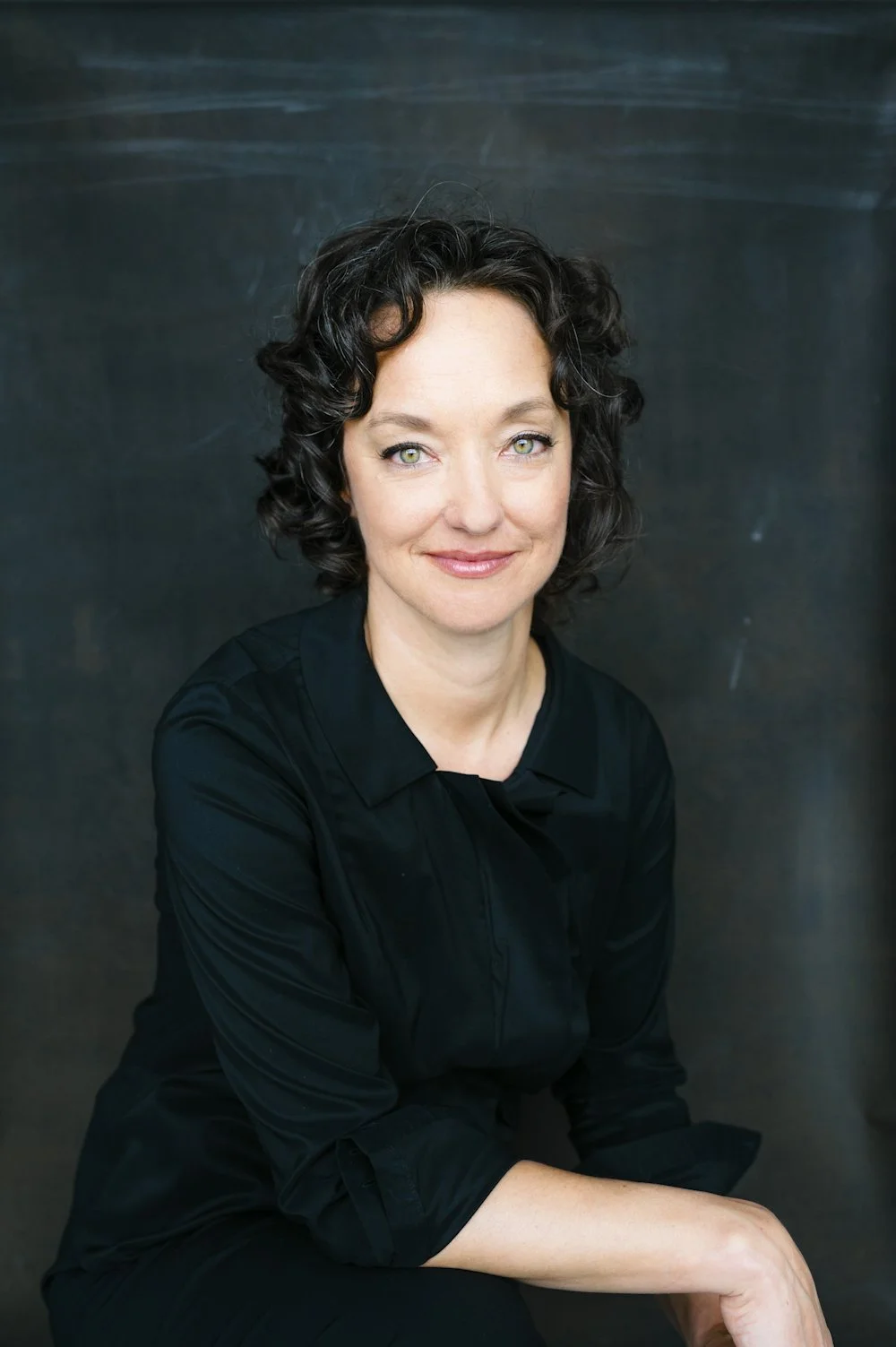
Diane Boivin, Vice-president
I am a Professor of Psychiatry at McGill Universityand Director of the Centre for study and Treatment of Circadian Rhythmsat the Douglas Hospital Research Center in Montreal. After my MD at Laval University (1981-1985), medical internship (1986),PhD in neurosciences at the Université de Montreal (1986-1993), and postdoctoral fellowshipin Endocrinology at Harvard University (1992-1997), I returned to Canada to found myhuman chronobiology research laboratory. Since 1997, I developed akeeninterest for sex differences and the female circadian system. My research team investigated the interaction between the menstrual and circadian cyclesas well as the circadian disturbances in women with premenstrual dysphoric disorder, post-menopausal females, and female shift workers. My actual research program focusses on sex differences in circadian physiology, with practical applications for workerson atypical schedules. This research program is recognized internationally and addresses the issue of sex differences and shift work in a translational multidisciplinary, and comprehensive manner.
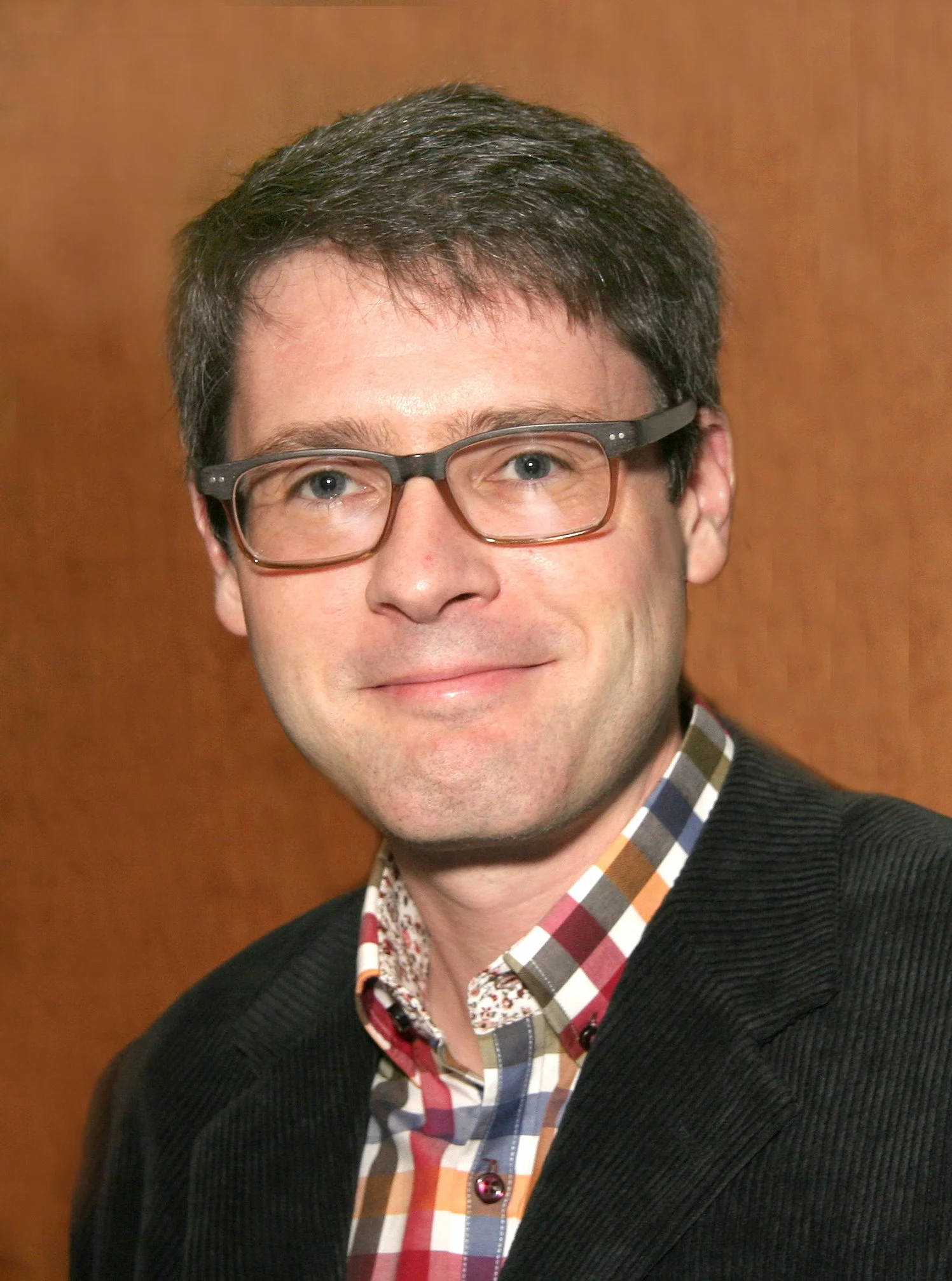
Phillip Karpowicz , Secretary
I completed my PhD at the University of Toronto studying mouse neural stem cells in Derek van der Kooy’s lab (2003-2008). I then switched gears, and did my Post-Doc in Norbert Perrimon’s lab at Harvard Medical School where I studied Drosophila intestinal stem cells (2008-2014). There I discovered, in a genetic screen, that clock genes were necessary in Drosophila intestinal stem cells to properly regenerate the intestine. This was very surprising to me, since circadian rhythms weren’t really appreciated in stem cell biology at the time. My lab at the University of Windsor now studies circadian rhythms in the gastrointestinal tract of both Drosophila and mice, and sometimes using intestinal organoids.

Patricia Lakin-Thomas, Treasurer
I am originally a Californian who earned my PhD in Biology at the University of California, San Diego. I worked in Stuart Brody's lab where I learned to love the fungus Neurospora crassa and its circadian rhythms of spore formation. I subsequently spent a number of years at the University of Cambridge (UK) as an independent research fellow and lecturer before moving to the Biology Dept at York University as an Associate Professor in 2002. My lab is still using Neurospora as a model system to study the molecular basis of circadian rhythmicity. We use genetics, biochemistry and cell biology to investigate rhythmicity that doesn't require the canonical transcription/translation feedback loop. Our work may point towards common mechanisms of rhythm regulation in all eukaryotes.
Members at large

Rae Silver
Rae Silver is the Helene L. and Mark N. Kaplan Professor of Natural and Physical Sciences and holds joint appointments at Barnard College and at Columbia University in New York City. Her publications (over 200) range from studies of the endocrine factors regulating timing of daily activity cycles and circuit analysis of the brain’s clock in the suprachiasmatic nucleus. She is deeply interested in communicating science to the public and to furthering research opportunities for students in Neuroscience, Behavior and Neuroendocrinology. She has extensive administrative experience including terms as Department Chair, co-chair for NASA’s Research Maximization and Prioritization Committee that reviewed Scientific Priorities for the International Space Station; Chair of Scientific Council of the Human Frontiers Science Program, and Senior Advisor at the National Science Foundation. She is or has served on the editorial boards of eNeuro, European Journal of Neuroscience, Journal of Biological Rhythms, and Hormones and Behavior, Endocrinology. She serves as a member of the Editorial Board for the medical journal Perspectives on Integrative Medicine, published by the Jaseng Medical Foundation in South Korea and provides expertise in areas like neurobiology and circadian rhythms, which intersect with the foundation's research into integrative pain management and holistic health.
Her greatest claim to fame and the only accomplishment that drew admiration for her children is her two appearances on the Daily Show with Jon Stewart at Comedy Central. For more tales, see https://onlinelibrary.wiley.com/doi/full/10.1111/ejn.14604?af=R A link to "Profiles of Women in Science: Rae Silver"
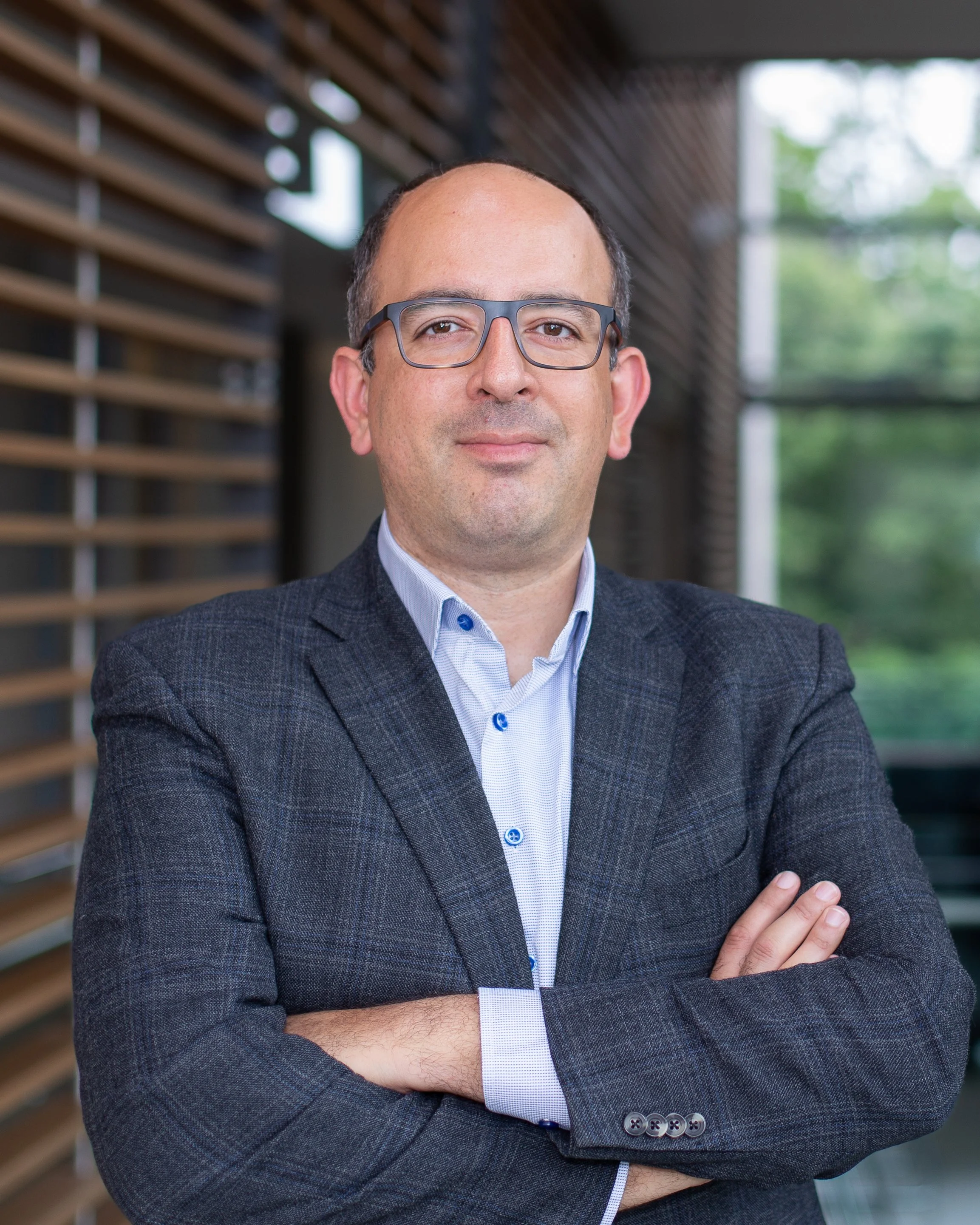
Nader Ghasemlou
I completed my PhD in neuroimmunology at McGill University and postdoctoral fellowship in pain physiology at Harvard Medical School. While doing my postdoc, I serendipitously found that chronic pain behaviours were dependent on time-of-day. My research team, the Pain Chronobiology & Neuroimmunology lab, has been working since then to dissect the contribution of clock genes to neuroinflammation in mice and time-of-day to disease symptomology in patients. Our team uses a translational approach to this end, working to bridge the gap between clinical and preclinical settings. We moved to the Krembil Brain Institute and University of Toronto in early 2026.
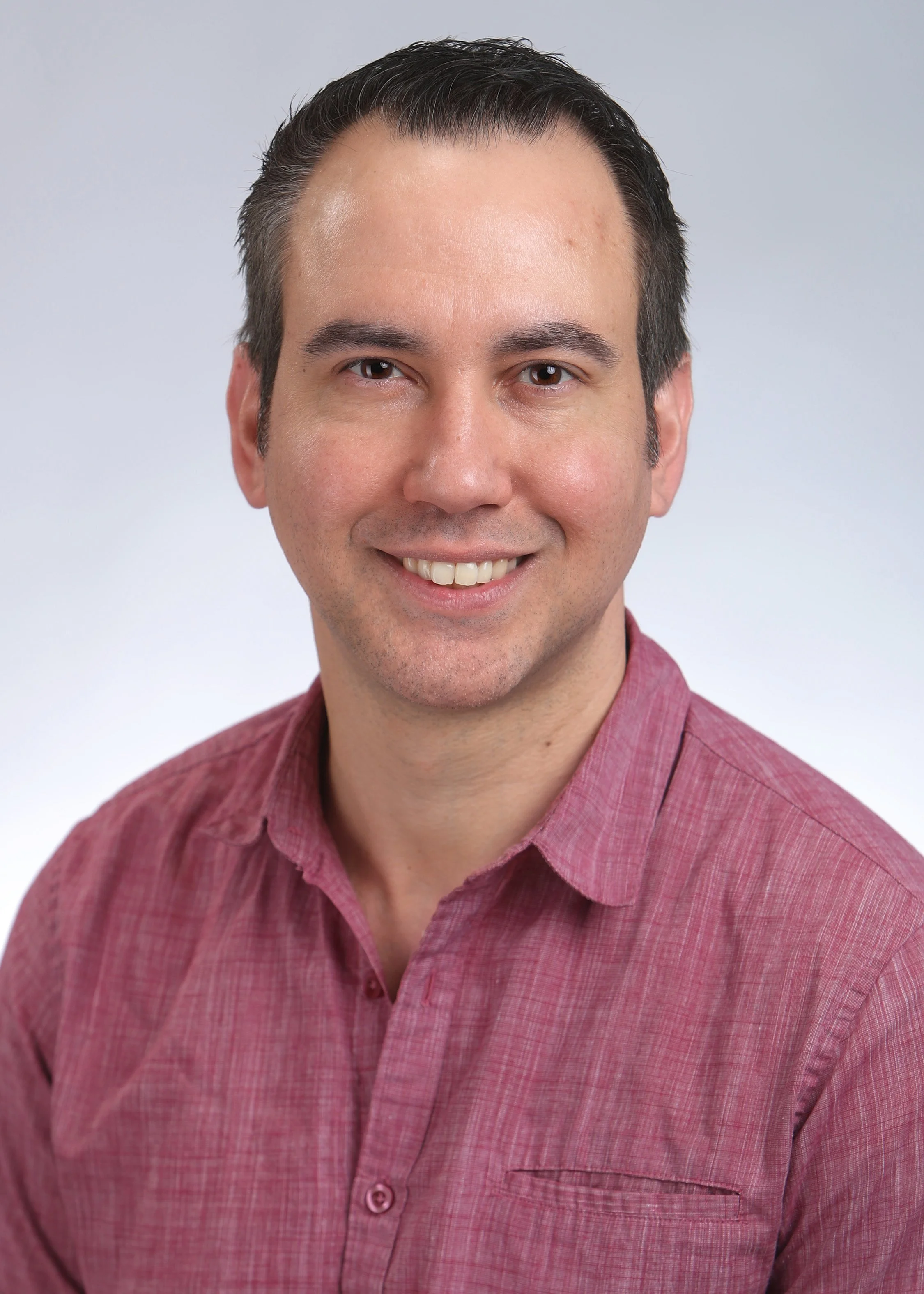
Deniz Top
I am an Associate Professor at the University of Alberta, Department of Cell Biology. I completed my Baccalaureate degree at the University of Toronto (specialist degree in Molecular Genetics and Molecular Biology with an emphasis on Chemistry). I completed my PhD at Dalhousie University, studying the biophysics and biochemistry of lipid membrane-protein interactions under the supervision of Dr. Roy Duncan. I later moved to pursuing my interest in protein biochemistry in neurobiology and completed my postdoctoral studies in circadian biology with a focus on molecular mechanisms that regulate behaviour at Rockefeller University, under the supervision of Dr. Michael Young (2017, Nobel Laureate).
I continue to work at the intersection of protein biochemistry, neurobiology and behaviour. My research program focuses on mechanisms of circadian transcription regulation. In our work, we determined that mutations in circadian genes can eliminate its function in some parts of the brain, but appear silent in other parts. This has led us to conclude that each of the circadian transcription programs operate under different regulatory mechanisms in different parts of the brain. We are very interested in understanding how these oscillating transcription programs are coupled across different regions of the brain to inform circadian behaviours, and the consequences of their uncoupling.
Trainee Members
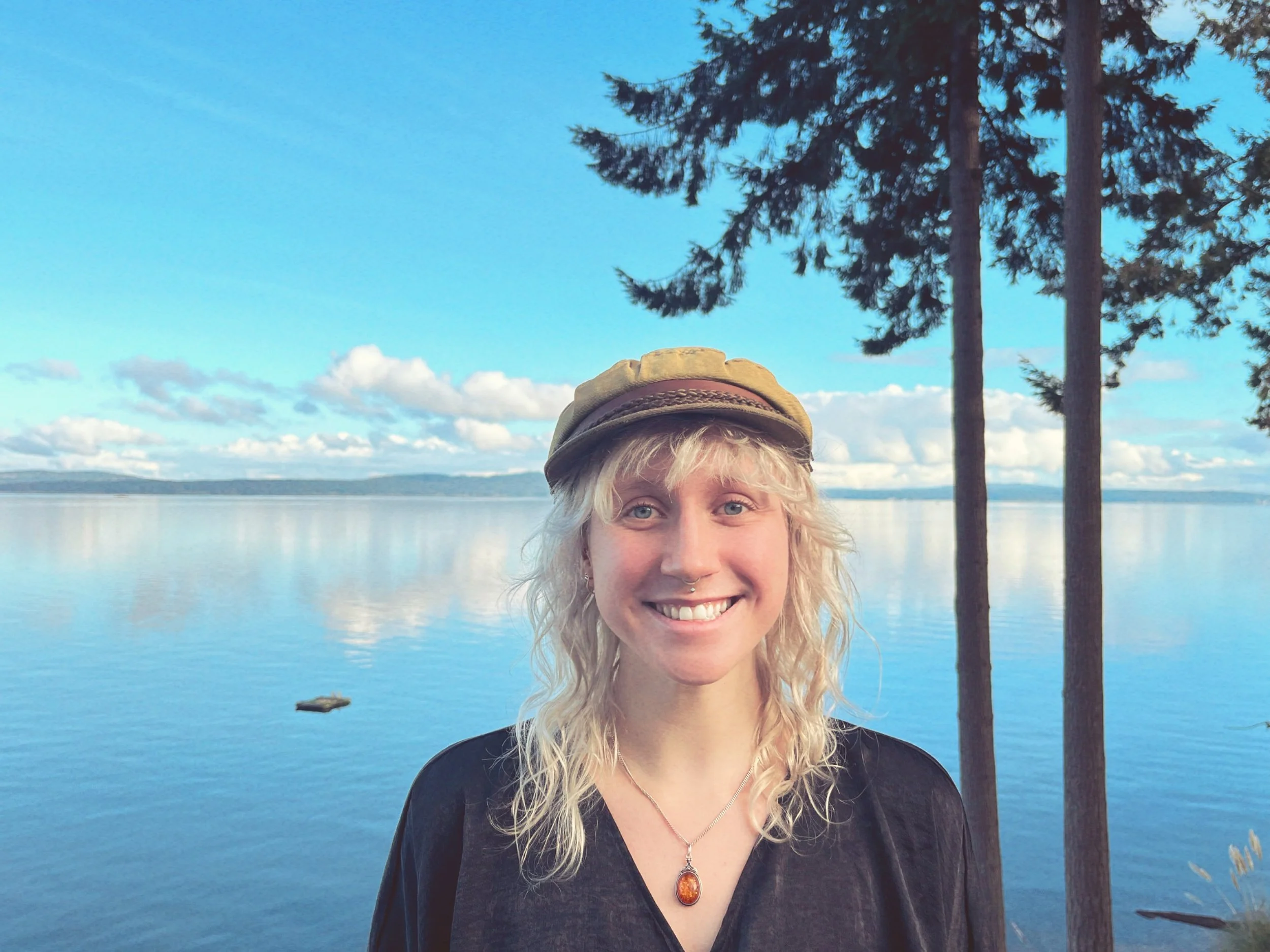
Katelyn Horsley
I am currently a PhD Student working for Dr. Mike Antle at the University of Calgary. Our research focuses on characterizing the neural circuits that underly non-photic phase shifting in rodent models. Being born and raised on Vancouver Island, British Columbia, I was able to observe nature and its cycles from a young age. However, it was not until my Bachelor's degree at Vancouver Island University where I discovered my passion for circadian rhythms. With the guidance of my undergraduate supervisor, Dr. Elliott Marchant, I became infatuated with the beauty of the circadian system. Here I started my research career studying fruit flies and then progressed to studying rodents during my M.Sc with Dr. Antle. My long-term goal is to incorporate my love for the outdoors and chronobiology by studying circadian rhythms within wild animals.
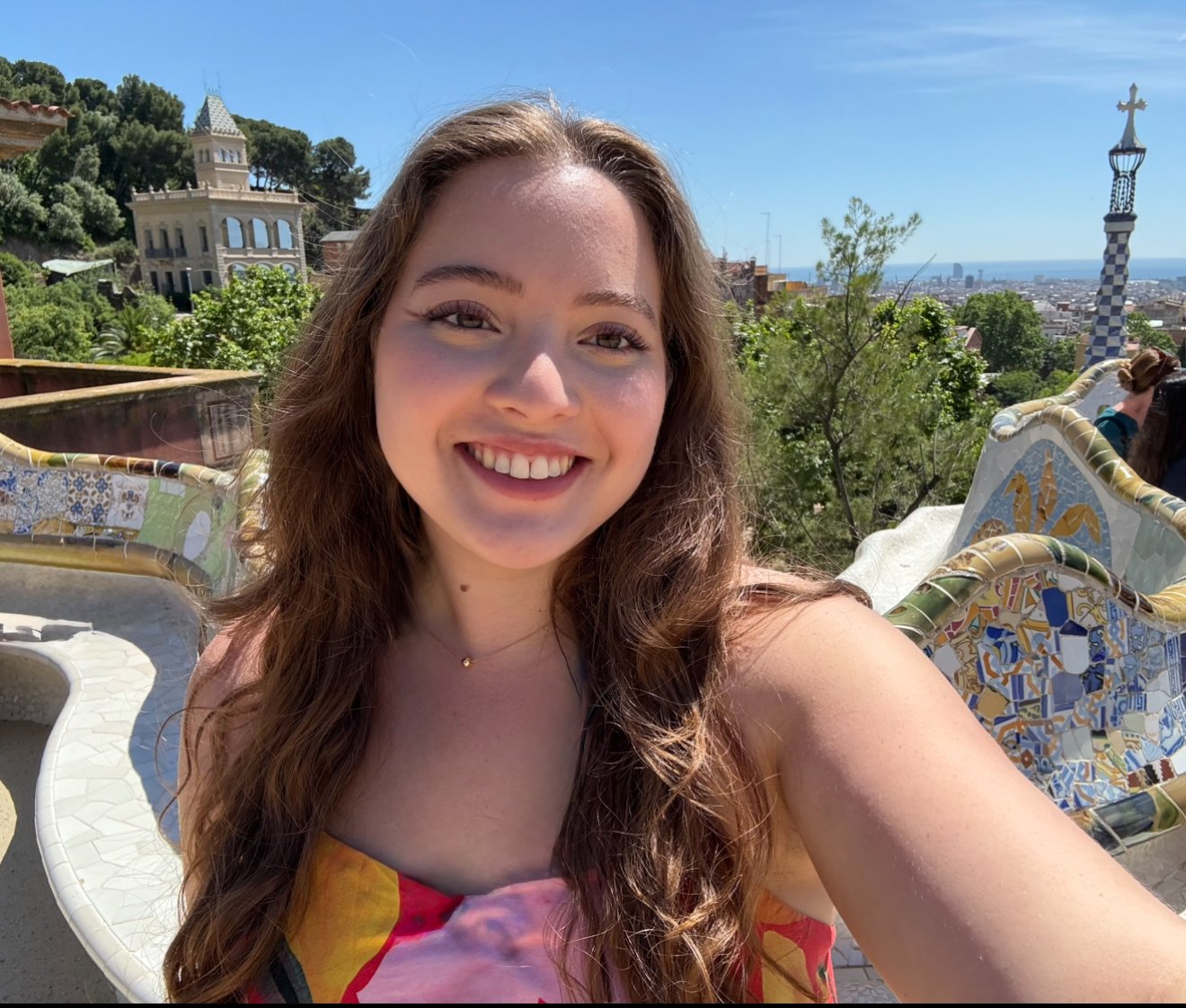
Juliana Meyerfreund
II am currently a second year Master’s student at McGill University under the supervision of Dr. Nicolas Cermakian. I first encountered circadian rhythms during my undergraduate studies and was fascinated by how they shape so many aspects of physiology. Looking for a way to combine this interest with my background in microbiology and immunology, I found my way to Dr. Cermakian’s lab. My current research explores how the circadian clock controls parasitic infection at the cellular and molecular level. My aim is to better understand which molecular clock transcription/translation feedback loops shape immune responses!
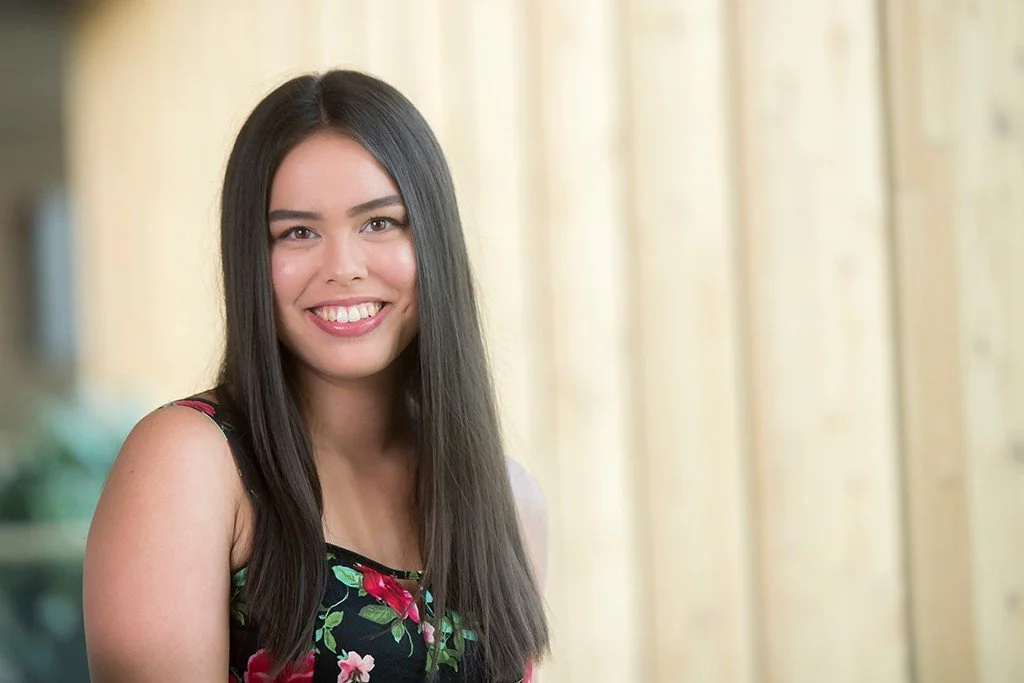
Stephanie U
I am currently pursuing my PhD in the Translational Neuroscience Lab with Dr. Brianne Kent at Simon Fraser University. As part of the large-scale Brain Resilience Study, my research examines how circadian rhythms contribute to brain resilience, aging, and Alzheimer’s disease. I completed my BA in Psychology at SFU, where I was first introduced to chronobiology during my honours project with Dr. Ralph Mistlberger, exploring how alcohol and exercise interact to influence learning and neurogenesis. This experience sparked my curiosity about the broader role of circadian rhythms in health, which led me to pursue an MSc in Population and Public Health at the University of British Columbia. There, my thesis focused on the influence of sleep and circadian rhythms on chronic disease risks among healthcare workers, further deepening my commitment to understanding the importance of circadian rhythms in human health.
Past Board Members
Nicolas Cermakian, President, 2013-2023
Florian Storch, member-at-large
Ilia Karatsoreos , Secretary
Michael Antle, Vice President
Sarah Ferraro, trainee representative
Maria Neus Ballester Roig, trainee representative
Hai-Ying Mary Cheng, member-at-large, 2015-17, Secretary, 2017-21
Joel Levine, member-at-large, 2013-21
Andrea Smit, trainee representative, 2018-20
Sara Hegazi, trainee representative, 2015-19
Tami Martino, Treasurer, 2013-19
Emma O’Callaghan, trainee representative, 2017
Lalanthi Ratnayake, trainee representative, 2017-18
Marc Cuesta, trainee representative, 2013-15
Elena Tsimakouridze, trainee representative, 2013-17
Ralph Mistlberger, member-at-large, 2013-15
Marie Dumont, member-at-large, 2013-17
Valérie Mongrain, Secretary, 2013-17
© Canadian Society for Chronobiology 2023